
"To everybody over all the world water is beautiful forever," ~ John Muir (famous American Naturalist and explorer)
The Earth’s Plumbing System
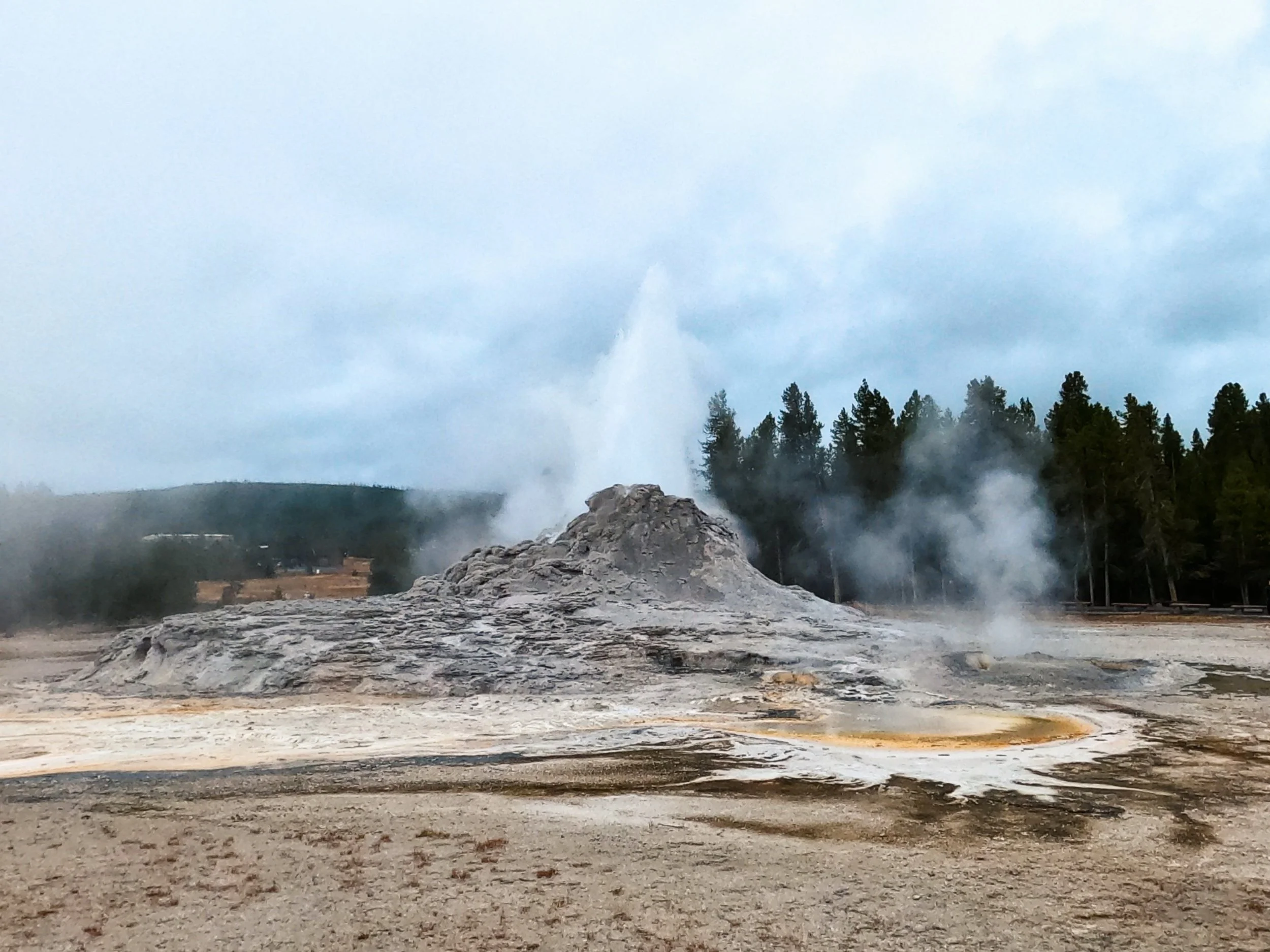
“Castle Geyser” erupting, taken from my Gopro, October 2025
It is impossible to not be the least in-awe of Yellowstone National Park. From its geological movements underground, to the herds of Bison, the grandeur of the iconic “Yellowstone Falls,” and even the rich history of the park, there is something new and exciting to behold for any new visitor to the world’s very first National Park.
Without a doubt, the most famous features of the park are its mesmerizing Hydrothermal wonders, including Hot Springs, Fumaroles, Mud-pots, and of course…Geysers, which are the most abundant hydrothermal feature in Yellowstone, consisting of some 500 or more!
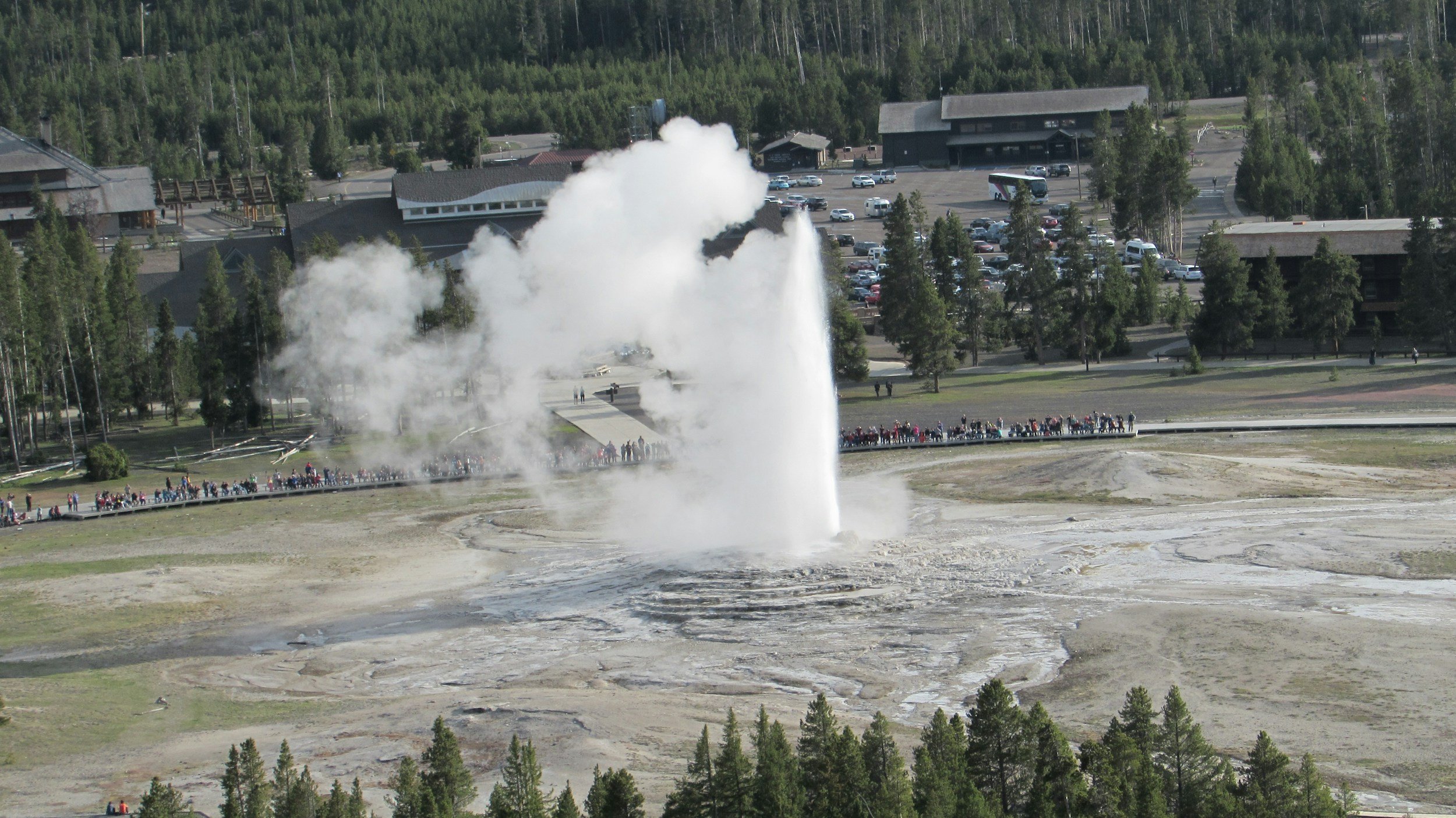
Aerial view of ‘Old Faithful,’ courtesy of Unsplash
Perhaps most famously, “Old Faithful” might come to mind, perhaps the most iconic of all of Yellowstone’s Geysers, which is known to erupt very predictably, at least every 90 minutes from each eruption!
In my previous article, titled; “The Science Of Color: Exploring the Grand Prismatic Spring’s Hidden World,” which you can read HERE, I explained how Yellowstone NP is home to the world’s largest concentration of hydrothermal features, just within the near-9000 km² park boundary. Almost10,000(YES you read that right!) features adorn this unique corner of our planet, and boasts some of the most alien-looking natural formations that are only unique to the area.
Enter The Geyser Basin: Or “The Geyser Garden”
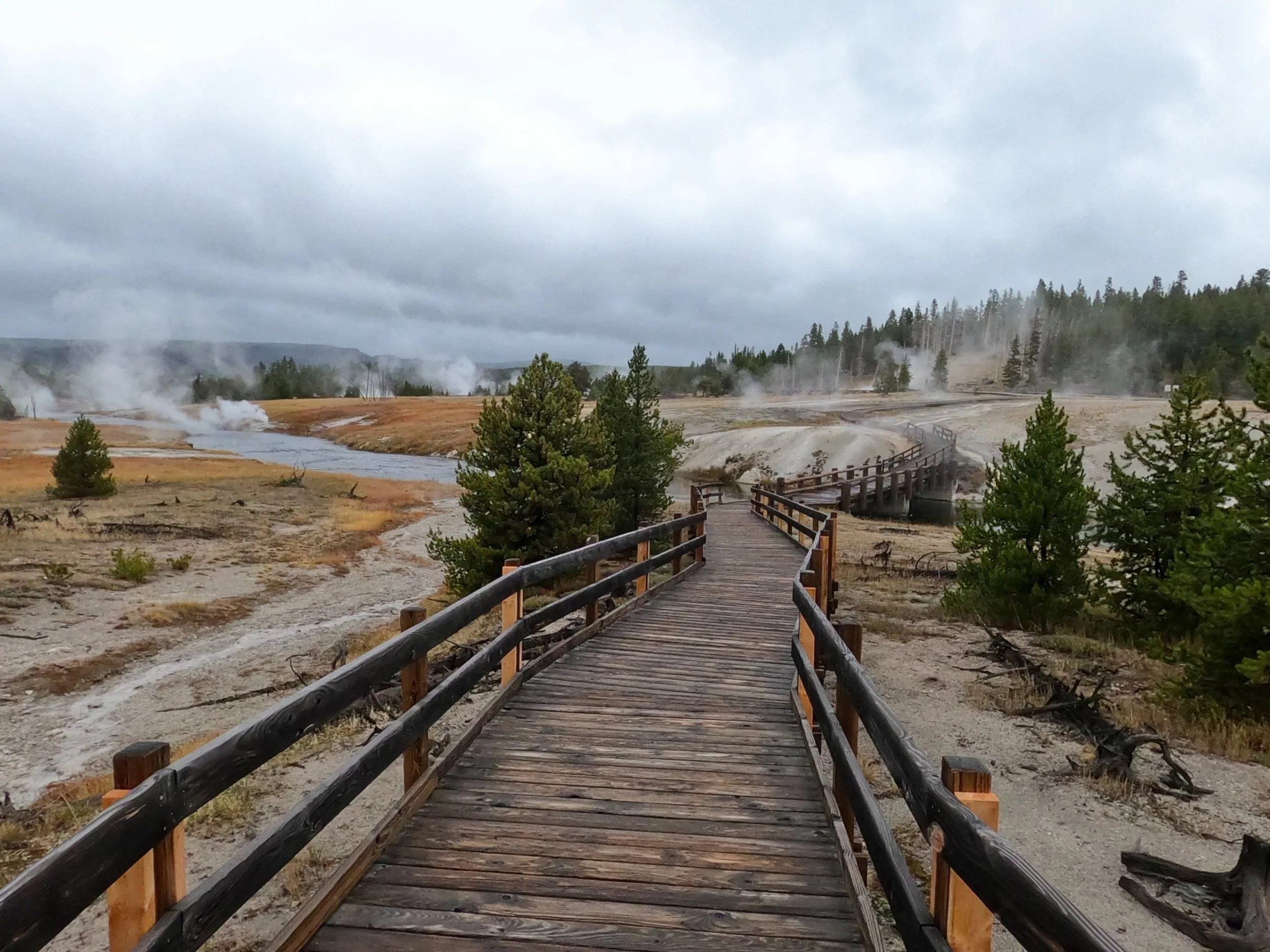
Approaching the Firehole River, in the Upper Geyser Basin, taken in October 2025
Though it is impossible to illustrate every geyser and feature that the park has to offer, I will show some of my favorite photos and field notes from my most recent visit, in October of 2025.
Disclaimer: Some of these images may have water on the lens…so please give me the benefit-of the doubt, it rained on my last visit!
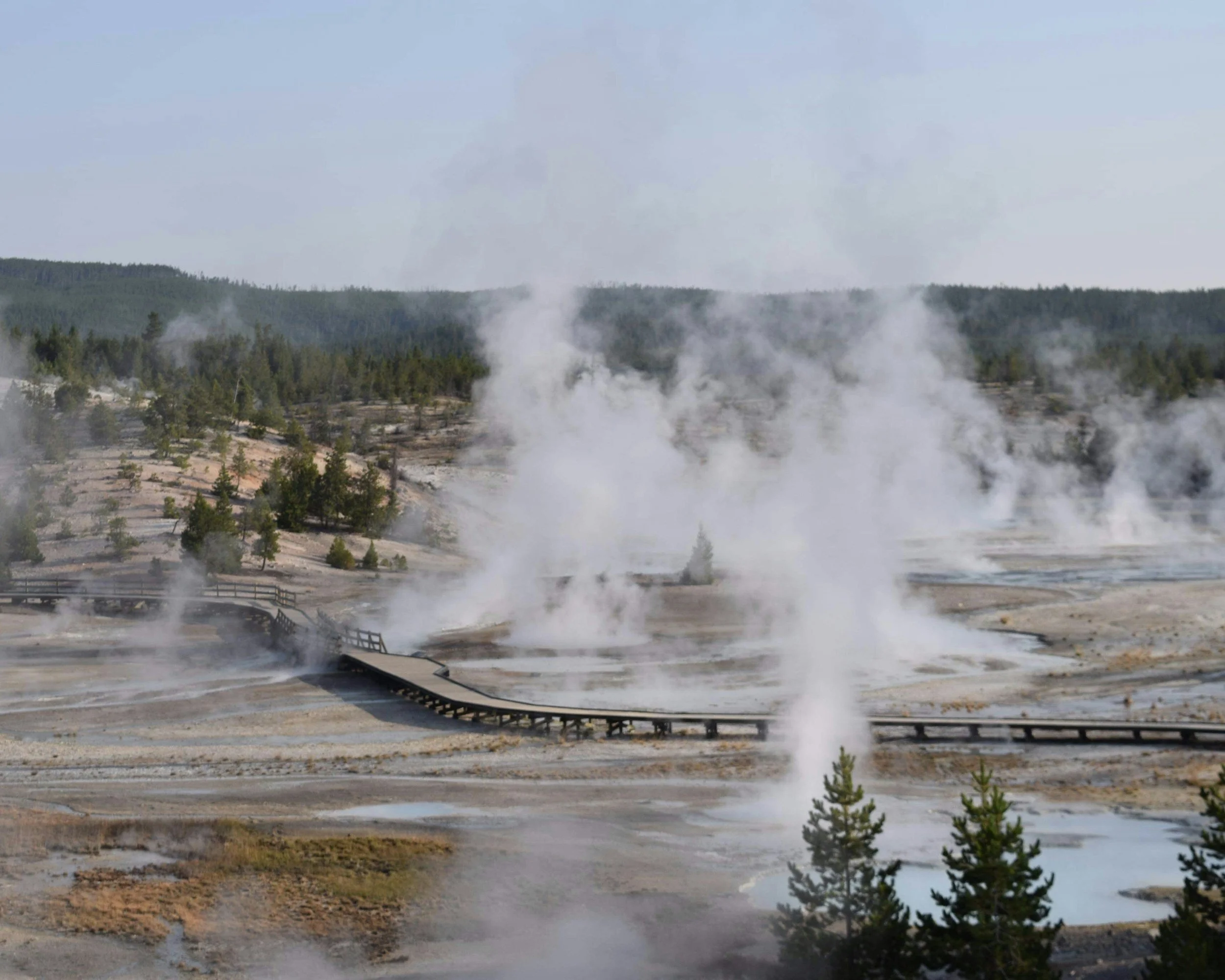
Courtesy of Unsplash
Imagine the stench of sulfur in the air. It reeks of rotten eggs, and all you can hear (besides bustling tourists chattering) is the loud, but gentle current of the Firehole River flowing with incredible ferocity, and the startling “WHOOSH” of a geyser bursting unannounced.
Then, you may spot a patch of Bison, relaxing in the grass 30 yards away, and turn your gaze to your left as a hole in the earth bubbles like a scalding pot of water, appearing to be no bigger than the diameter of a dinner plate.
This is what the Geyser Basin feels like, if I could put it into words.
What is a geyser, anyway?
Definition: A geyser is a hot spring which is connected to an underground plumbing system, that builds pressure, and periodically releases superheated water and steam
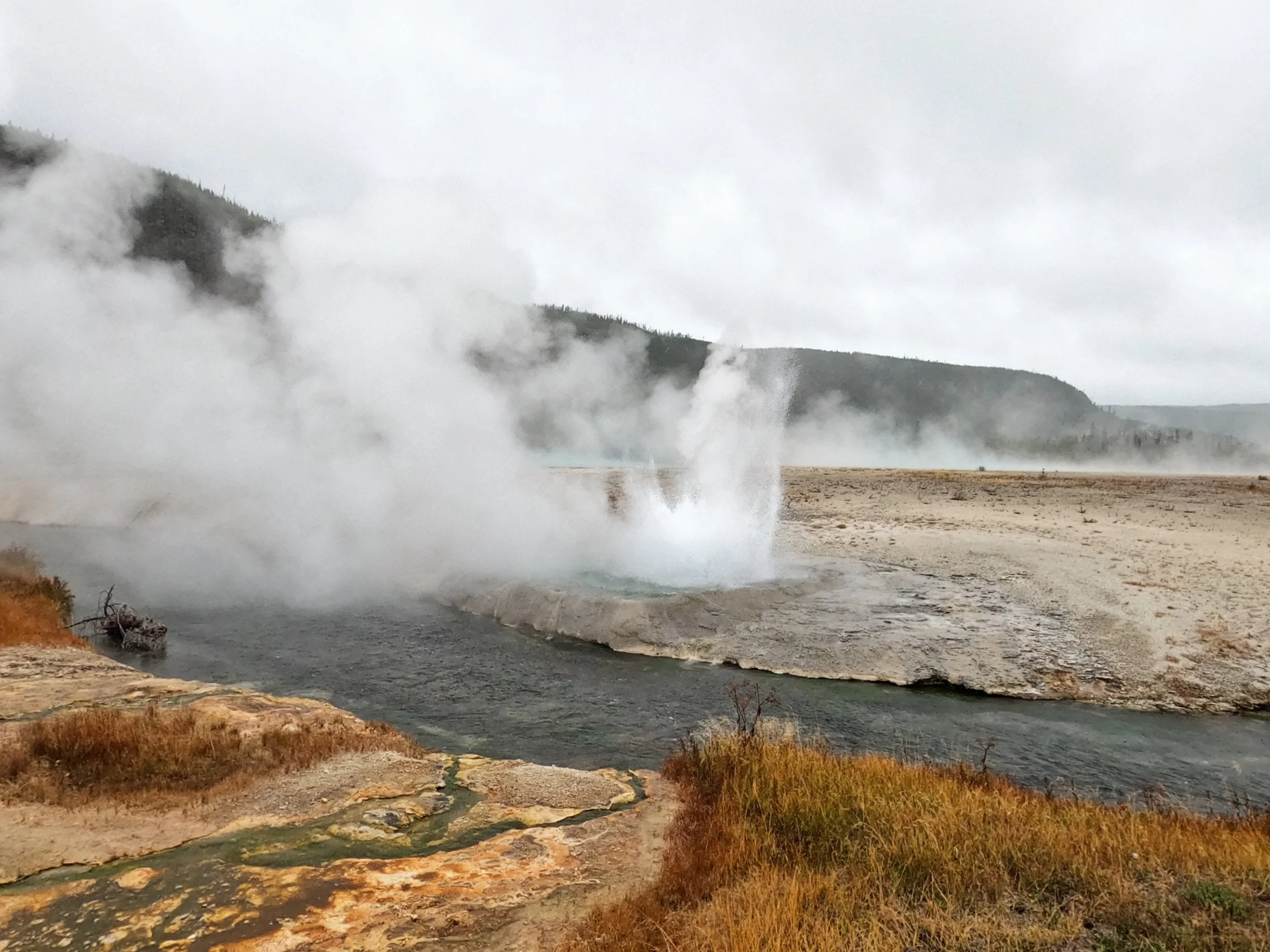
Cliff Geyser, taken on my Gopro
A geyser works when groundwater travels deep underground, into fractured, volcanic rock and becomes superheated under high pressure. Because the water is stuck in narrow underground channels and chambers, it can rise above its normal boiling point without immediately turning to steam
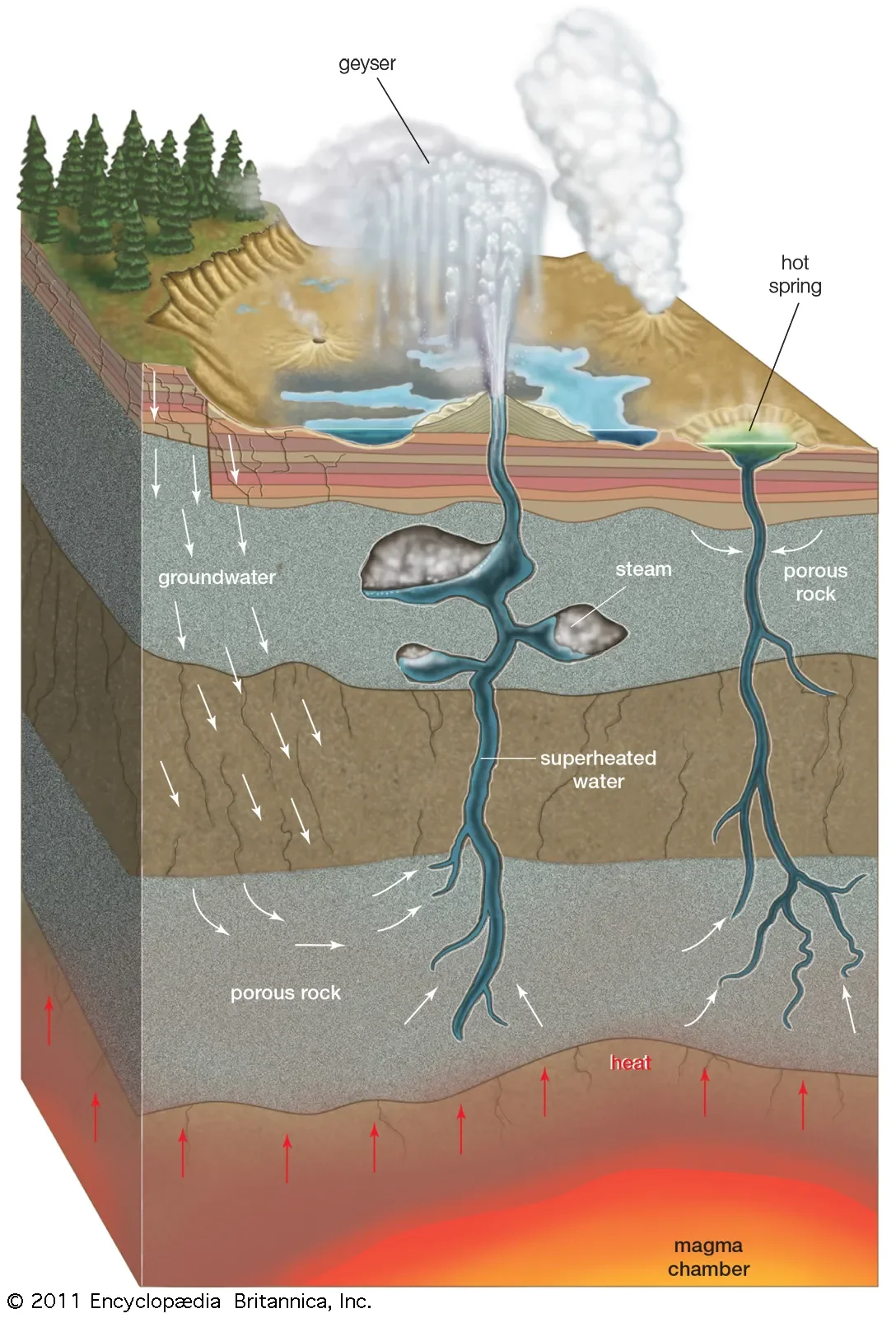
A diagram of the underground networks that produces geysers, courtesy of Britannica
Natural Works Of Art
As steam begins to form at deep depths, pressure suddenly drops, causing the superheated water to flash violently into steam and erupt at the surface. During this process, the hot water dissolves silica and other minerals from the surrounding rock, which can travel upward, and gradually erodes away at the chambers
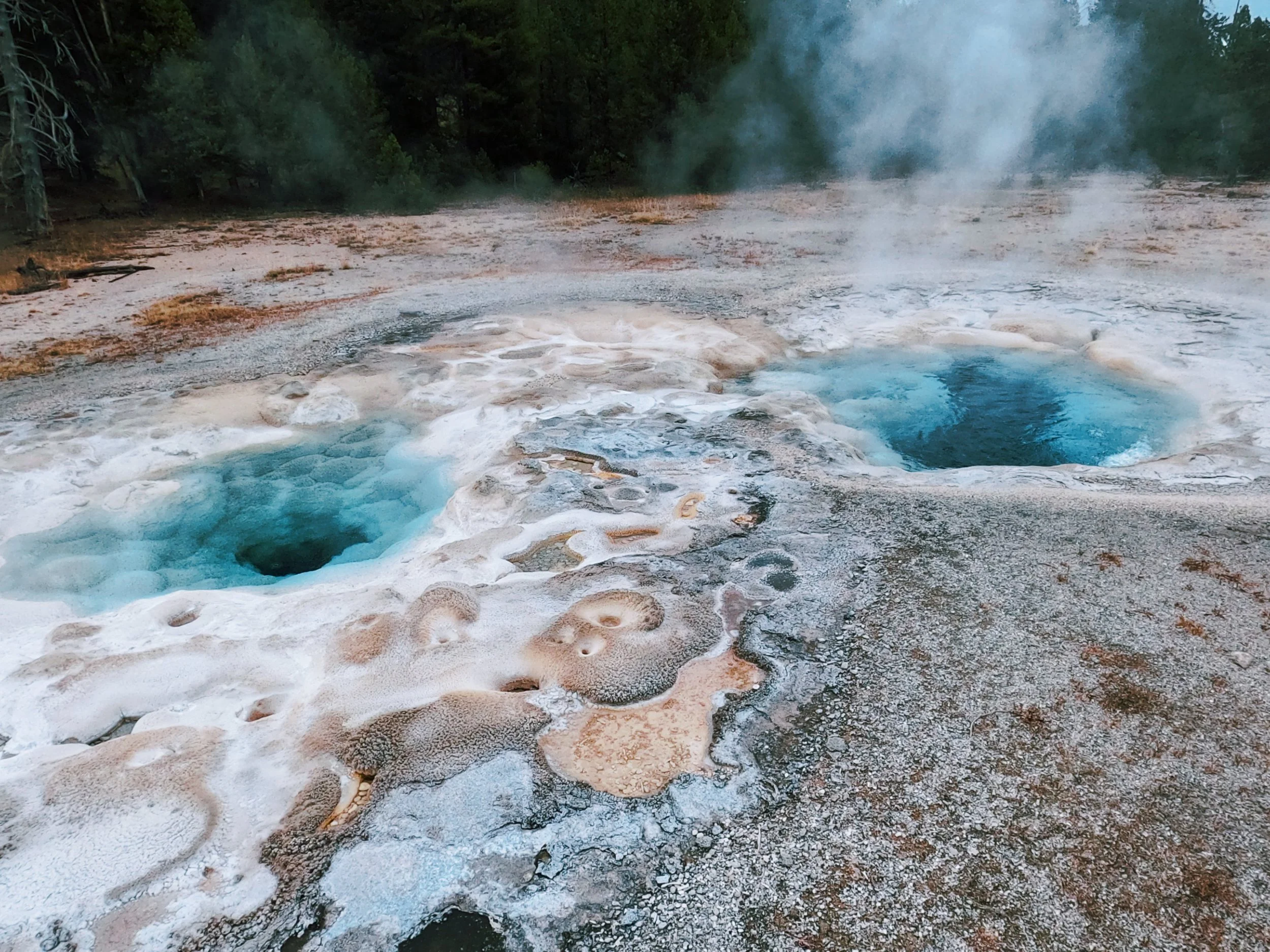
“Spasmodic Geyser,” taken from my Gopro, October 2025
Take a look at this Geyser above, named the “Spasmodic Geyser” which was one of the most fascinating geysers for me, personally.
You may notice here, how the rock formations appear to resemble sea anemones, or sponges around the pools.
Note too, how the different colors are indicated by which types of Thermophilic bacteria occupy the pools, which gives us clues into how hot or cool they are, like a natural thermometer. At deep-blue, the average temperature can range from 70°-90°C (158°-194°F) which makes almost all life unable to live in these micro-biomes.
Click HERE, for my other article where I dive even deeper into this!
For your reference, I barely had to do any color grading on my Gopro! That blue hue is the natural color found in the geyser, pretty amazing!
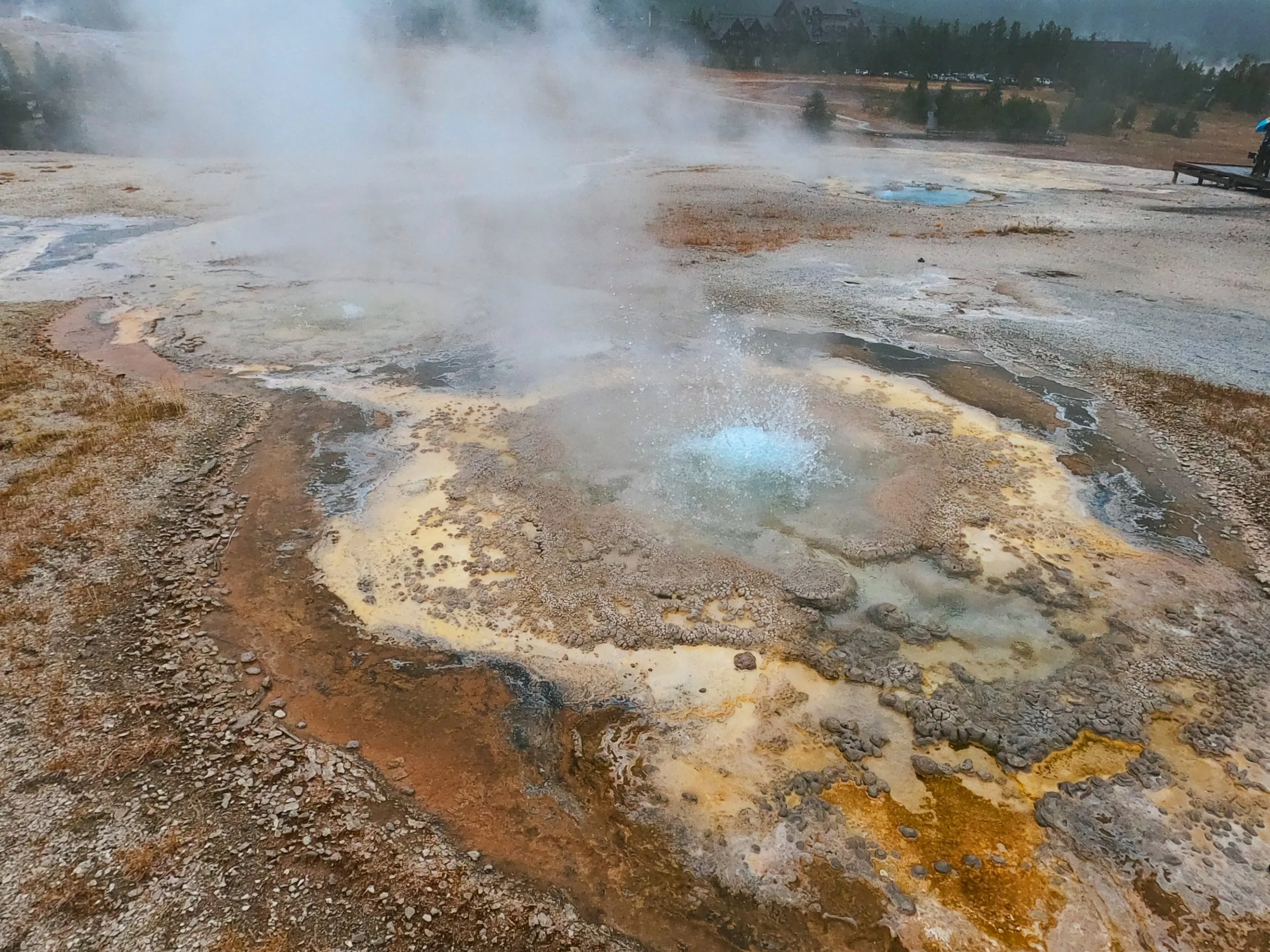
“Anemone Geyser” Taken from my Gopro
Just like Spasmodic Geyser, observe “Anemone Geyser” here. See how its name was influenced by the rock formations that hugely resembles aquatic life on a tropical coral reef!
When the water erupts and cools at the surface, those dissolved minerals precipitate out and slowly accumulate around the vent. Over time, this builds up layers of geyserite (a form of opaline silica), forming cones, terraces, and strange patterns. Each eruption adds microscopic coatings, so the geyser gradually “grows” upward and outward, sculpting intricate mineral structures shaped by water flow, temperature gradients, and microbial mats.
Living & Breathing Lifeforms
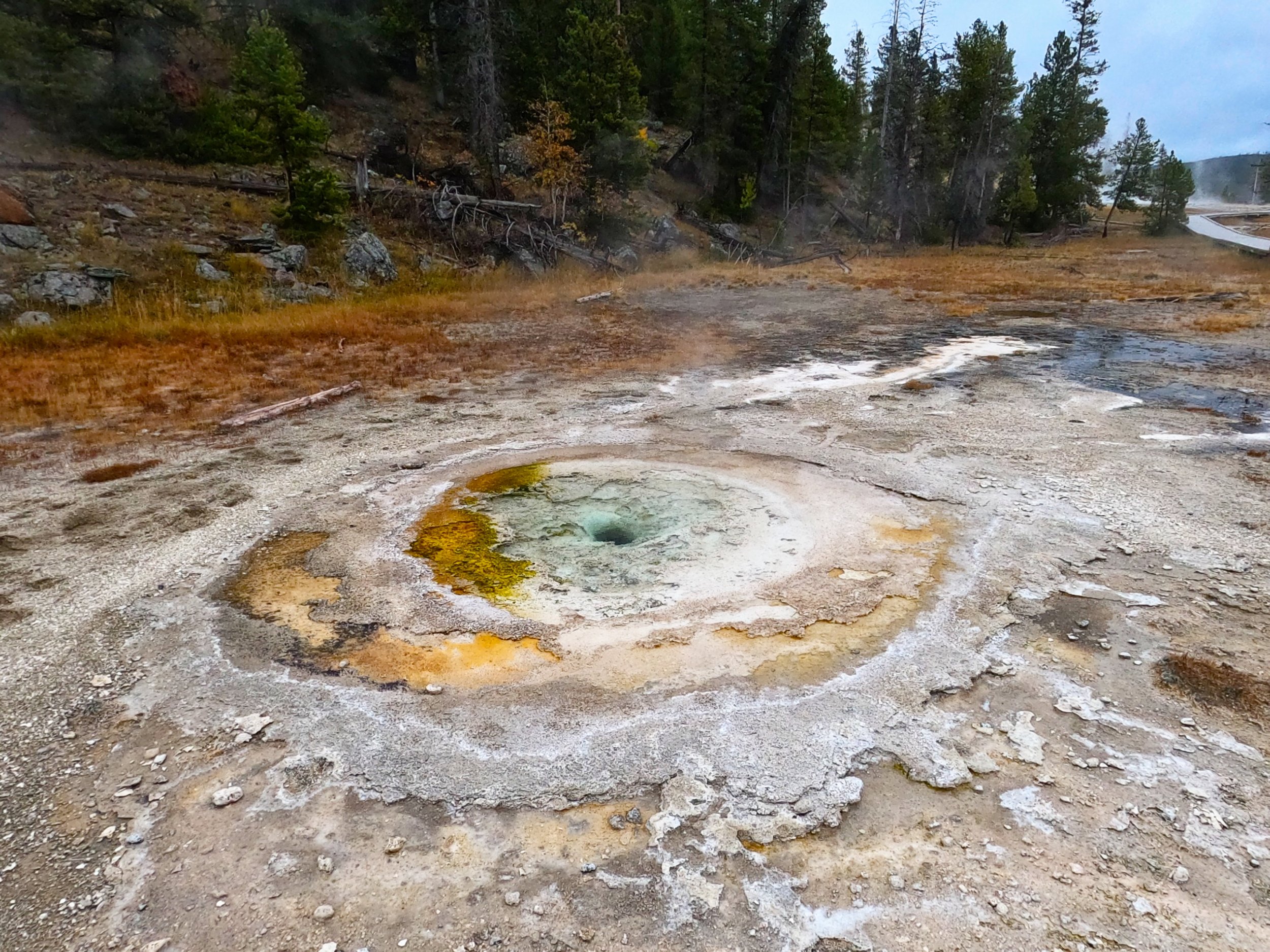
“Economic Geyser,” taken from my Gopro, October 2025
When you stop and observe these natural wonders, they are no longer just bubbling rock formations that spew out superheated water. They now become their own individual living, breathing, and unique features with their own:
Intervals
Colors
Shapes
Changing looks
And even behaviors
Dedicated Geologists spend their whole lives tracking the rates, intervals, interruptions, and even probabilities of eruptions in these geysers.
It is important to remember that the Yellowstone Caldera is incredibly active underground, and it is not unheard of to witness some geysers intermittently pausing eruptions, or even stopping entirely if earthquakes occur, which can make chambers collapse.
In 1959, the destructive 7.3 magnitude Hebgen Earthquake near Hebgen Lake Montana, created massive alterations to Yellowstone’s underground hydrothermal networks, and even created a massive landslide that led to the creation of “Earthquake Lake” in the park. It was one of the most dangerous earthquakes in the history of the Rockies.
Some geysers changed their eruption intervals entierely, and some stopped flowing, while others became considerably more active than ever.
Naming Schemes
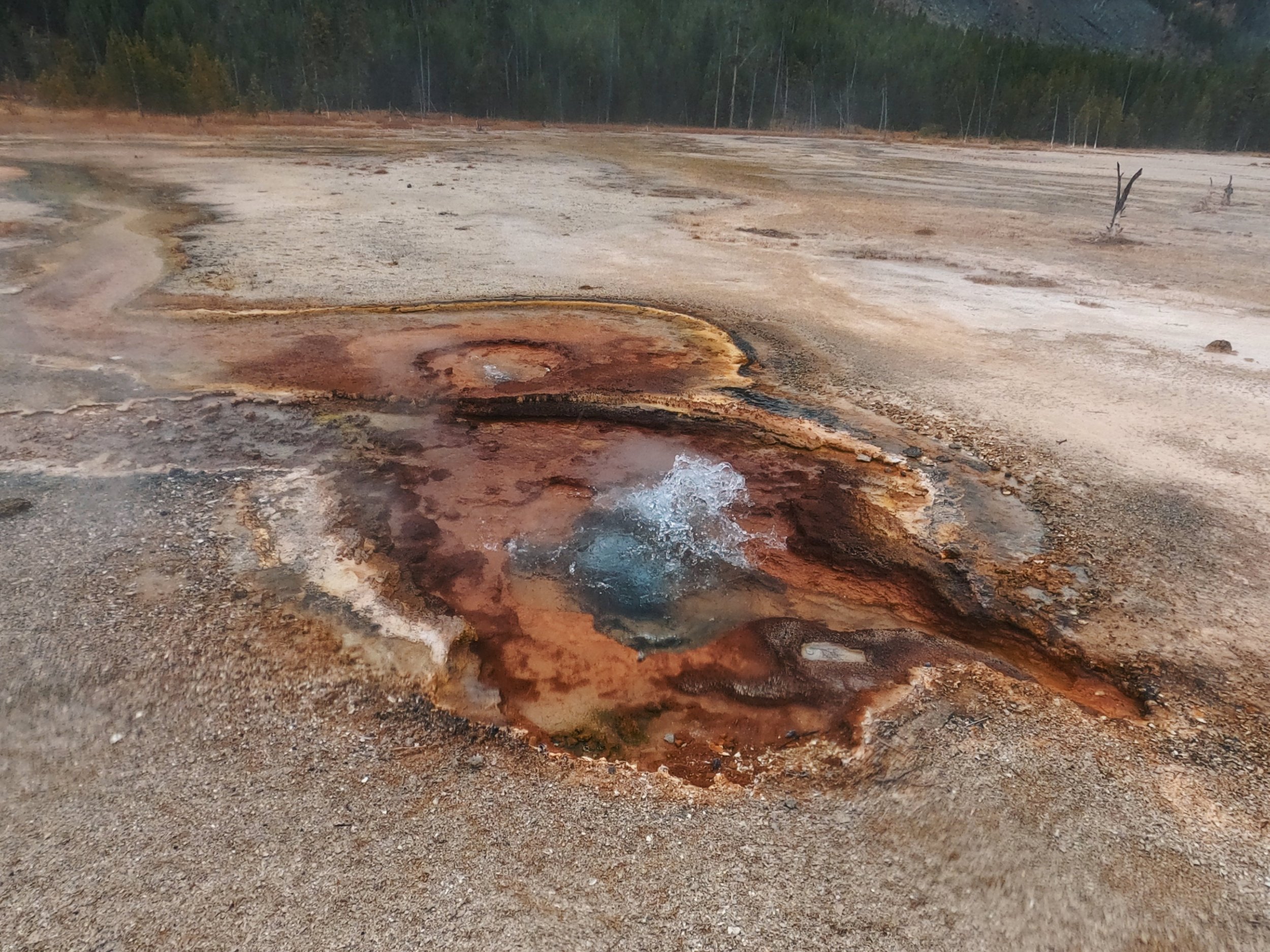
“Cinnamon Spouter” Taken from my Gopro (apologies for the rain water on my lens)
On a much more different topic, naming of features is a very unique process. Sometimes geysers are entirely based on appearance (Castle Geyser looks like a castle turret), some are based on folklore from the surrounding local native tribes who walked the region, color, and some were named from behavior (Old Faithful)!
Nowadays, the naming of these wonders is incredibly regulated.
Take for example, “Cinnamon Spouter,” above. It is named this way, due in part to its very rusty- looking hues from iron-oxide and thermophilic bacteria, and how it bursts small amounts of water!
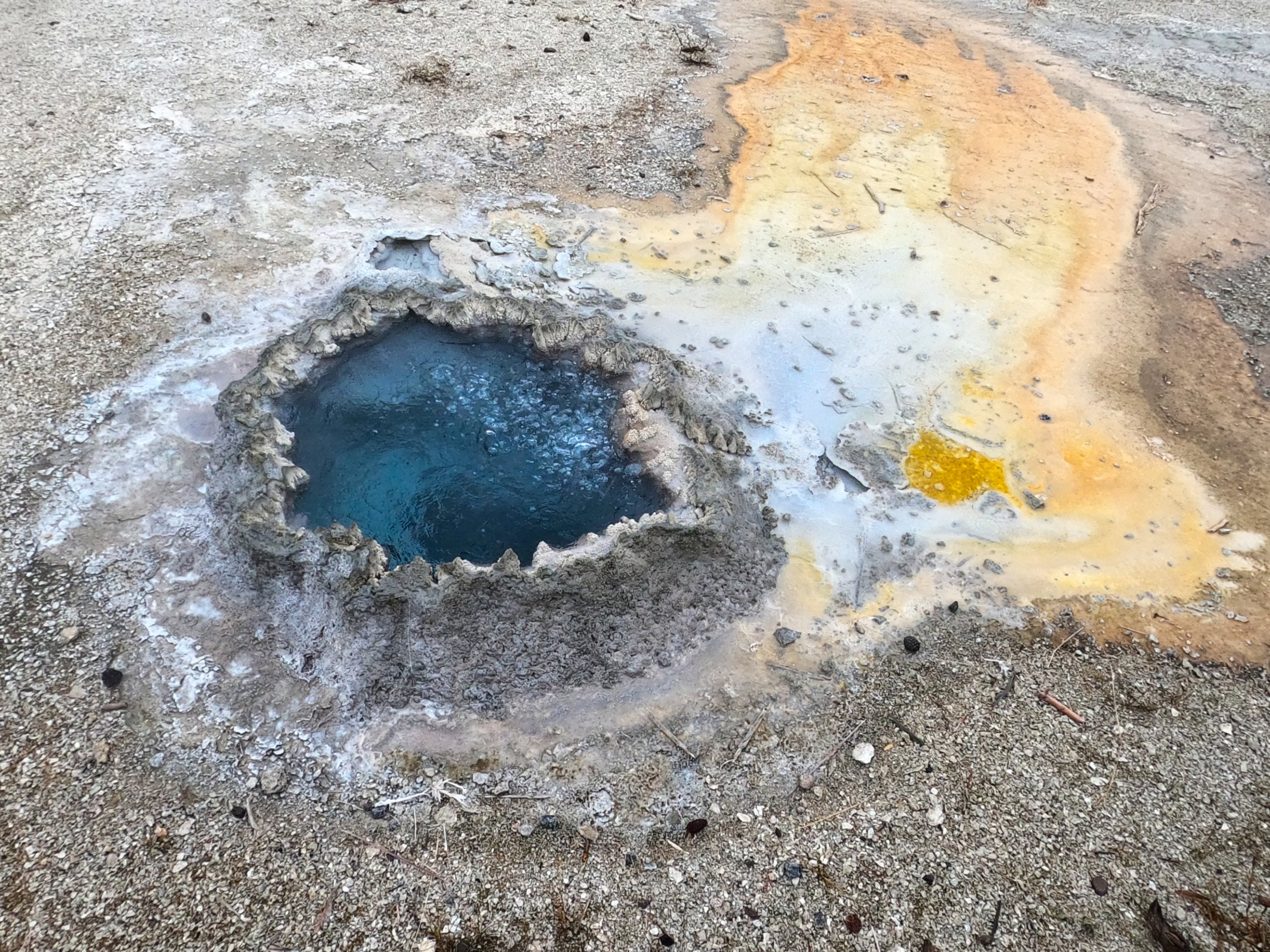
“Chinese Spring” Taken from my Gopro
In this slightly humorous example, this spring got its name, because of an unfortunate accident that happened to some tourists from China, back in the late 1800’s.
The legend goes (slightly unverifiable) that these visitors were cleaning their laundry in this spring, and then saw their clothes fly out from an eruption, which then resulted in their clothing being flown to the hillside!
Thankfully, they lived to tell the tale (it seems)! I can only imagine how flustered they were, and also how lucky they must have felt to not be melted alive from the water!
Fun To Look At, Not To Touch! Final Words
My hopes with this article is that you can now have an enhanced perspective on these natural artworks, and that you can now appreciate these underrated gems, made from the raw beauty of our Earth!
If you made it this far, please let me know your thoughts, and your personal favorite take-aways! Don’t be afraid to give me a comment, and to share your thoughts!
…
And also, NEVER go touching these pools, because you WILL melt your flesh off! Some people have unfortunately died this way! Please don’t be one of them!
If that happened, you wouldn’t have a hand to text, or type with! You also would not be able to give this article a friendly comment, and tell me about what you learned, which would not be ideal!
So stay safe, and respect these formations if you go to Yellowstone!
Never stop letting your curiosity bubble! (insert chuckle)
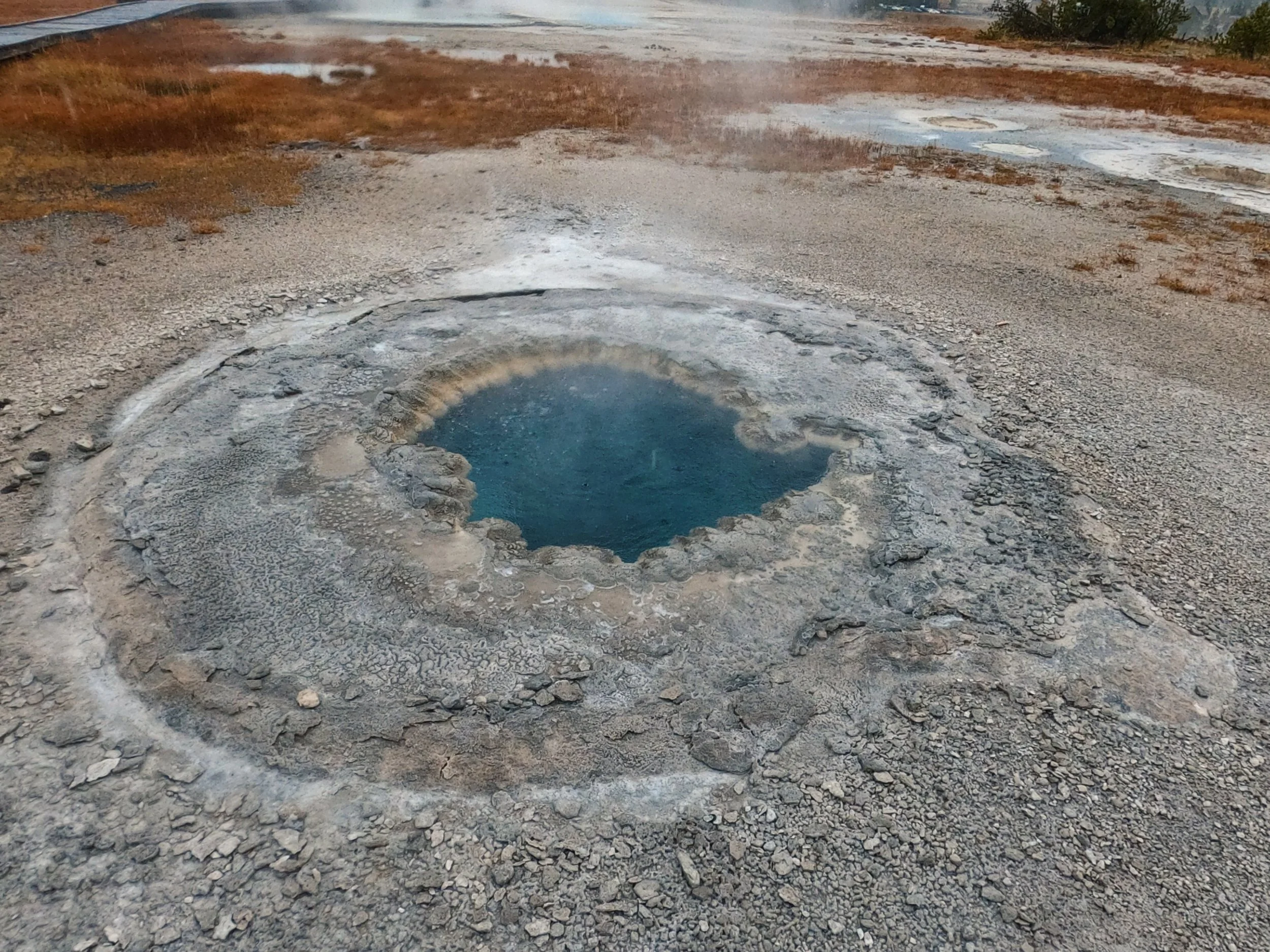
“Boiling Spring” Taken from my Gopro
