

Newspaper illustration of the first aerial photographer!
It’s the mid 1800’s, and the Industrial Revolution has forever transformed modern Europe, and their respective colonial territories. Smog, railroads, the telegraph, massive factories, and futurist “Steampunk” images might come to mind.
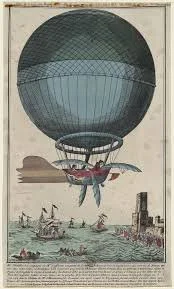
Fast forward to 2026, and unfortunately, the visions of the near-future did not turn out so fancy, or “steampunk-y.” Instead, we got more sleek, more streamlined, and slightly less creative with our aircraft design (unfortunately).
In the year 1858, an enterprising Frenchman did what most would not even think of doing, and would pave the way for modern aerial photography.
If you own a DJI drone, or work with drones for a living, (much like myself) then you owe this man a debt of gratitude!
Hold onto your seats, or…your basket!
The Father Of Aerial Photography
Gaspard-Felix Tournachon was a French photographer, novelist, adventurer, and the Father of Aerial Photography. In 1858, he became the world’s first man to take aerial photographs, and captured urban images near Paris, France.
He was born in April of 1820, in Paris, France, or Lyon. As a young adult, he studied medicine, before adopting the growing medium of photography. As a caricaturist and novelist, he developed the playful penname, “Nadar”
During the mid-1800s, photography was still a new and technically demanding medium, and Nadar quickly became fascinated by its potential. By the early 1850s he opened a portrait studio in Paris where he photographed many of the era’s most famous cultural figures, including writers, artists, and scientists. His portraits stood out because he emphasized natural lighting, expression, and personality, moving away from the stiff, overly posed style common at the time.

Gaspard-Felix Tournachon (Nadar) re-creating his balloon adventures, in his studio
In the 1850’s, Nadar’s fascination with the medium inspired him to go beyond the boundaries of what was possible with photography (at that time). He wanted to see what the world could look like from above, which was a crazy idea in his era. It was unthinkable!
The only viable way to accomplish this goal of lifting a camera into the air was to use the hot air balloon! Which was relatively new in this time, developed by the Montgolfier Brothers, in 1783!
The First Step Is The Hardest
Making photographs in his era required the “Wet-Plate Collodion” Process, which requires chemically neutral settings to make the plates ready for re-creation. His first ever photographs are unfortunately lost to time, because of in-flight gasses that escaped from his balloon.
This contact with the camera completely ruined the would-have been first treasures of aerial photography. This meant he had to carry a small darkroom in the balloon basket and carefully prepare the plates while suspended hundreds of feet above the ground! Contemporary accounts, however, do claim that the photos showed buildings on the outskirts of Paris!
After his first flights, Nadar created a protective cover that shielded him from the gases, and this ensured that his camera would recreate his moments without disturbances, as he aimed downward at his subjects.
Talk about a primitive (for our eyes), but very clever method of accomplishing this in his time!
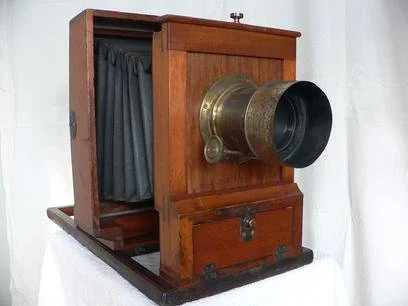
Wet-Plate Collodion camera
Pioneering Spirit
Nadar recognized immediately that aerial photography had enormous potential for mapping, urban planning, and military reconnaissance. At the time, however, the technique was extremely challenging because balloons were unstable and sensitive photographic equipment was difficult to operate in the air. Even so, his demonstrations proved that photography could capture the Earth from above, opening an entirely new way of documenting landscapes and capturing information about our world!
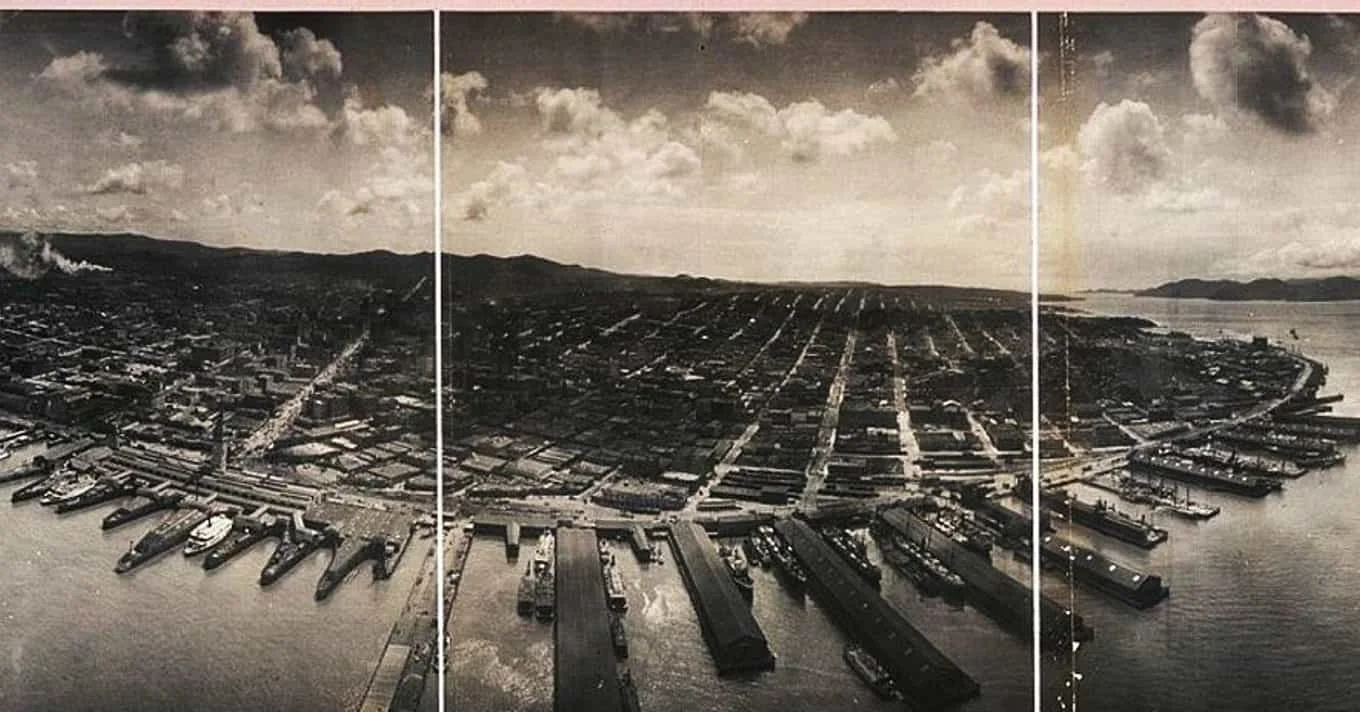
San Fransisco, after the earthquake, 1906
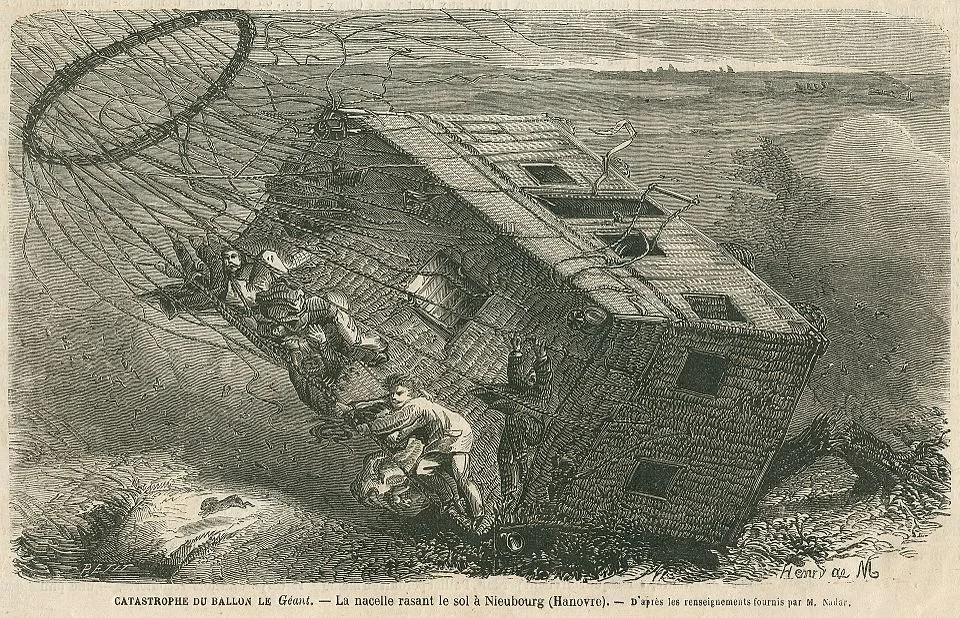
Nadar’s fascination with flight did not end with these experiments. In 1863 he built a massive hot-air balloon called “Le Géant” (The Giant), which was one of the largest balloons ever made in the nineteenth century. Although the project was partly theatrical and intended to draw public attention to aerial travel, it showed off his belief that flight would become an important part of science and exploration. Unfortunately, Nadar and his wife, Ernestine, were injured in an accident in Le Geant, in Hanover Germany, but still stayed involved with pioneering early manned aviation.
Through lectures and publications, Nadar pushed the idea that balloons could serve as platforms for scientific observation and aerial mapping. His enthusiasm inspired other photographers and engineers to experiment with aerial imaging using balloons, kites, and eventually aircraft.
Fun Trivia!
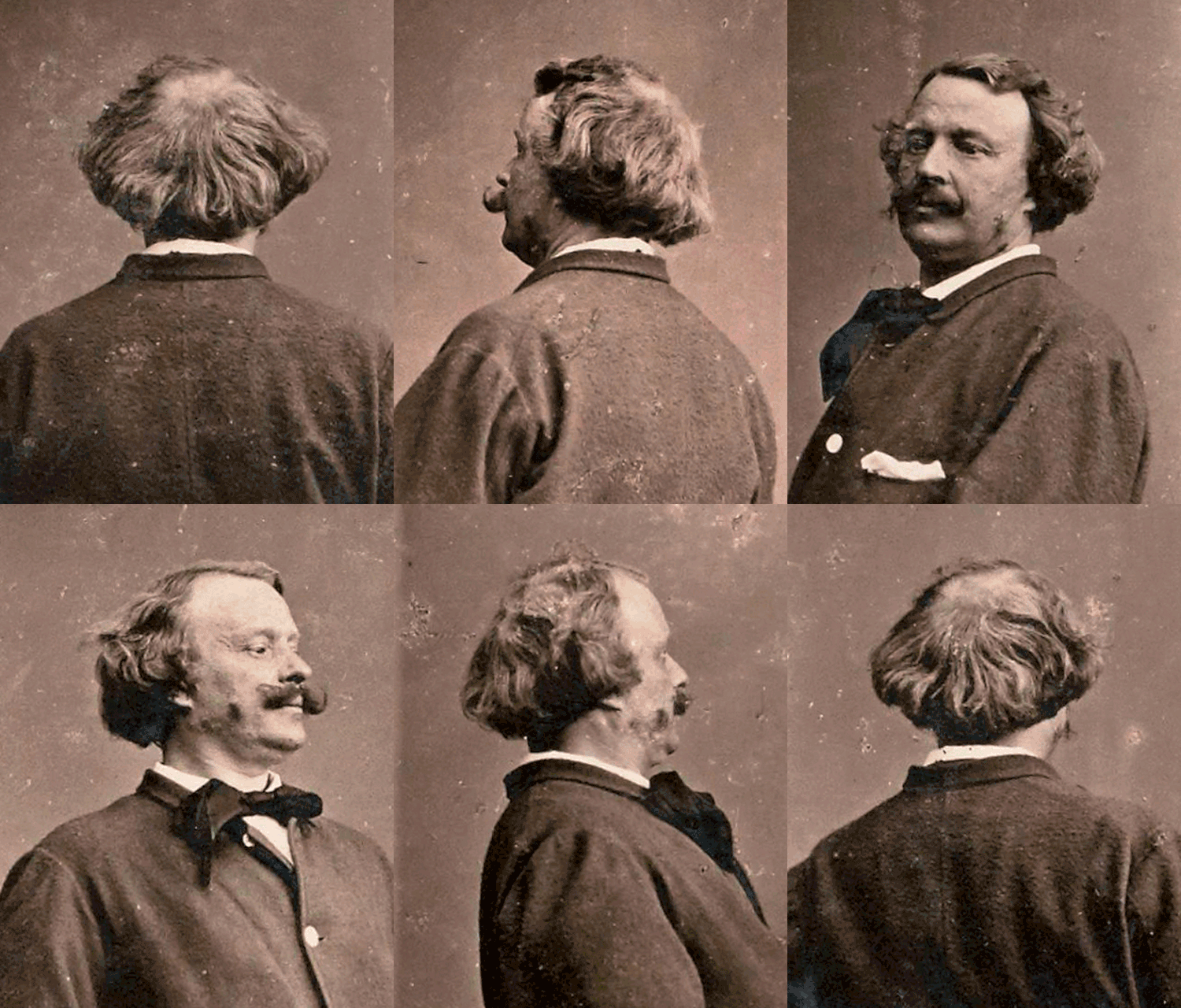
Nadar, showing a panoramic profile, like a stop-motion film
Another interesting fact about Nadar, is that he was one of the first men in history to pioneer artificial lighting in photography, and became the first man to capture photographs of the Paris Catacombs in the mid-1860’s!
He also became the first man to make a publication on the future of aerial travel for enthusiasts at the time, titled: “L’Aeronaute” in 1867!
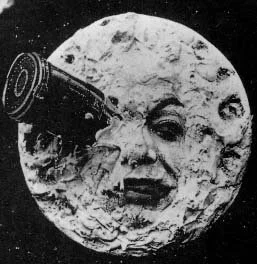
Lastly, the balloon, Le Geante, the inspiration for Verne’s 1863 novel; “Five Weeks In A Balloon,” and Nadar happened to be the inspiration for the character of “Michael Ardan” in Jules Verne’s 1865 novel; “From the Earth to the Moon.” The latter would end up being the inspiration for the first science fiction film, “A Trip to the Moon, made in 1902 by Georges Melies!
His Legacy
The importance of Nadar’s work became even clearer in the decades that followed. By the early twentieth century, aerial photography had become a critical tool for mapping, reconnaissance, and scientific research, especially during the First World War.
Aircraft replaced balloons, and cameras became lighter and more reliable. Eventually aerial photography evolved into the modern disciplines of photogrammetry, satellite imaging, and drone mapping. Today’s survey drones, LiDAR systems, and satellite sensors all trace their origins back to the moment when Nadar first lifted a camera into the sky and proved that photography could capture the Earth from above.
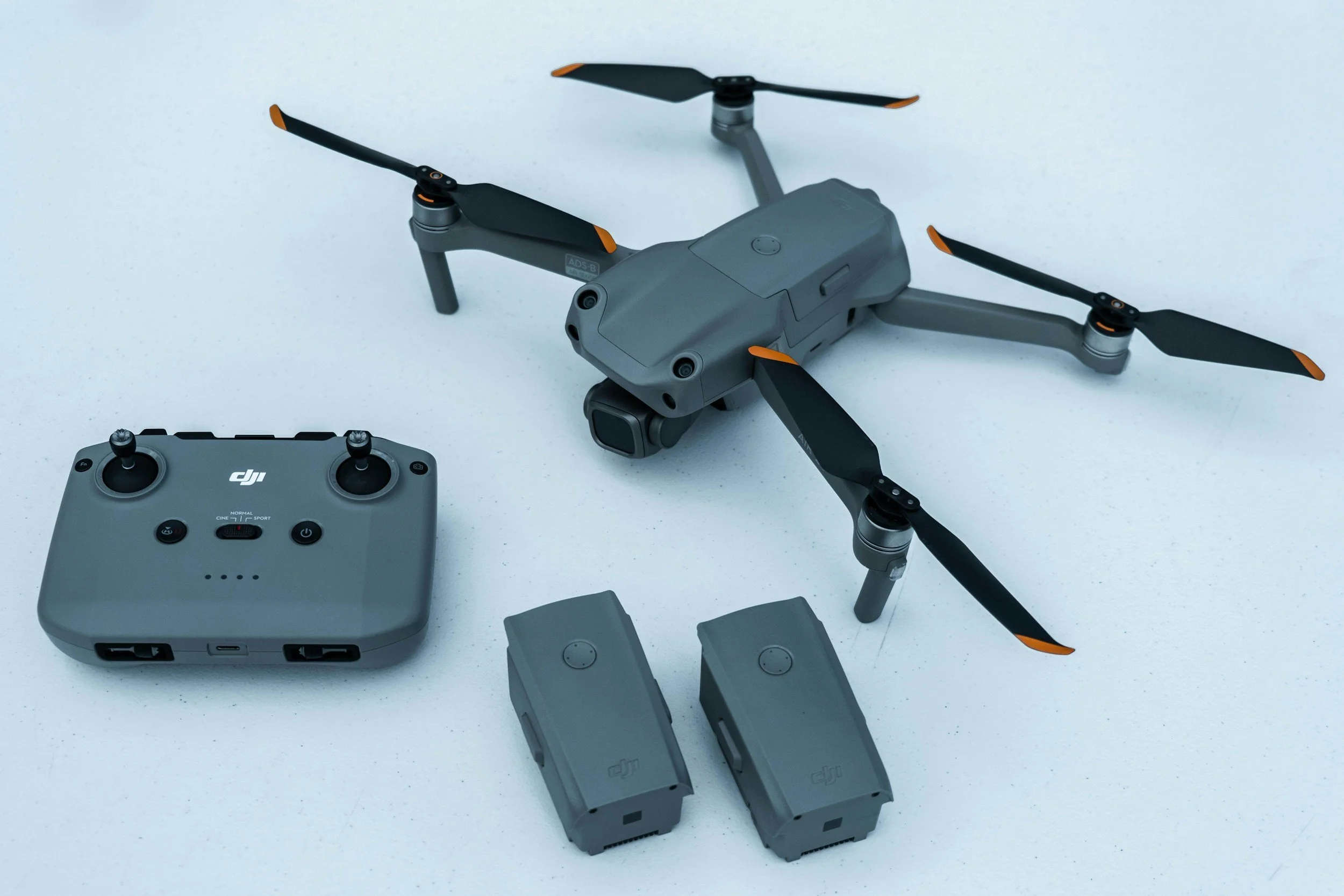
In this way, Nadar’s experiments represent one of the earliest steps in humanity’s attempt to understand landscapes from a broader perspective. What began as a daring experiment in a hot-air balloon eventually evolved into the sophisticated airborne imaging technologies used today for mapping cities, studying the environment, documenting archaeology, and capturing the planet in extraordinary detail.
